
Table of Contents
ToggleMost people don’t plan their bathroom cleaning, they just notice the mildew on the shower tile or the soap scum on the mirror and decide it’s time. A structured bathroom cleaning schedule is different. It breaks the work into manageable daily, weekly, and monthly tasks so nothing gets ignored or becomes a major scrubbing project. You’ll save time, keep your bathroom healthier, and actually maintain the fixtures and surfaces that are expensive to replace. This guide walks you through building a realistic schedule that fits your home’s needs.
Key Takeaways
- A structured bathroom cleaning schedule breaks work into daily (10 minutes), weekly (30–45 minutes), and monthly tasks to prevent grime buildup and costly fixture damage.
- Daily habits like wiping mirrors, squeegeeing showers, and running exhaust fans prevent mold, hard water deposits, and mildew before they require heavy scrubbing.
- Weekly deep cleaning—including toilet scrubbing, shower walls, floors, and grout—becomes easier when daily maintenance prevents buildup.
- Monthly and seasonal inspections of grout, caulk, and leaks catch structural damage early and extend bathroom longevity.
- Centralizing cleaning supplies in one accessible caddy and posting a visible checklist removes decision fatigue and ensures household accountability.
- Using a timer method (20 minutes for deep cleaning) and simple printable templates keeps motivation high and makes the bathroom cleaning schedule sustainable.
Why A Structured Bathroom Cleaning Schedule Matters
A bathroom cleaning schedule prevents the slow accumulation of grime that turns a quick wipe-down into a half-day project. Hard water deposits, soap buildup, and mold thrive in moist environments, and they’re much easier to manage with consistent attention than when they solidify over weeks.
Structured cleaning also extends the life of your fixtures and finishes. Mirrors, chrome faucets, and tile grout can degrade faster when exposed to corrosive soap scum or moisture without regular maintenance. Regular cleaning is preventive maintenance: skipping it means costlier repairs or replacements down the road.
Psychologically, a routine removes decision fatigue. Instead of wondering “Is it time to clean the bathroom?” you follow a plan. This consistency builds the habit and makes it feel less like a chore. Families with children benefit especially, kids learn that bathroom care is a shared, non-negotiable responsibility.
Daily Cleaning Tasks To Keep Your Bathroom Fresh
Daily bathroom habits prevent buildup and keep surfaces looking fresh:
-
Wipe down the sink and mirror after use. A microfiber cloth and spray bottle of water or diluted glass cleaner takes 2 minutes. Catching toothpaste splatters and water spots before they dry prevents etching on mirrors and soap scum on chrome.
-
Squeegee the shower or tub after each use. Water left standing on tile or tub walls promotes mold and mineral deposits. A quick swipe with a rubber squeegee costs nothing in time and prevents the black mold spots that require heavy scrubbing later.
-
Hang towels to dry properly. Bunched-up towels harbor mildew. Spread them out on a rack or rod so air circulates. If towels smell musty after a day or two, wash them more frequently, that’s a sign moisture is trapped.
-
Empty the trash and wipe the toilet seat. A quick spray and wipe with a disinfectant takes 30 seconds and keeps the space sanitary.
-
Run the exhaust fan during and 20 minutes after showers. Moisture control is half the battle. If your bathroom has no fan or it’s weak, consider upgrading, most exhaust fans are straightforward to replace and codes require them in bathrooms without windows.
These tasks take 10 minutes total if everyone in the household participates. They’re not deep cleaning: they’re maintenance habits that prevent problems.
Weekly Deep Cleaning Routine For Sparkling Results
Once a week (pick a day, Saturday morning works for many), tackle the deeper cleaning that daily habits won’t handle:
-
Scrub the toilet bowl and exterior. Use a toilet brush and toilet bowl cleaner (leave it sitting for 5 minutes if you can). Wipe down the outside with a disinfectant. Don’t forget behind and under the base where dust and hair collect.
-
Clean the shower or tub walls and floor. An all-purpose bathroom cleaner or a 1:1 mixture of white vinegar and water works for most surfaces. For stubborn soap scum, let the mixture sit 10 minutes before scrubbing. Use a scrub brush on tile grout, a toothbrush handles the tight corners. Rinse thoroughly: soap residue leaves film.
-
Scrub the sink and faucet. A soft-bristled brush or cloth handles chrome and porcelain. Pay attention to the faucet base and spout where hard water deposits accumulate. For hard water stains, white vinegar dissolves mineral buildup: soak a cloth with it and wrap it around the aerator for 30 minutes, then rinse.
-
Clean mirrors and windows. Use glass cleaner or vinegar-and-water. Newspaper or microfiber cloths avoid streaks better than paper towels.
-
Mop the floor. Sweep or vacuum first to catch hair and dust, then mop with warm water and a bathroom-appropriate cleaner. Grout lines benefit from a little extra scrubbing, a small brush works here too.
-
Clean light fixtures, vents, and door handles. Dust collects on everything. Wipe down the light fixture, exhaust fan cover, and door handle with a damp cloth.
This weekly deep clean takes 30–45 minutes depending on bathroom size. When done consistently, the work becomes easier because buildup is minimal. Following a house cleaning schedule helps you manage this alongside other rooms.
Monthly And Seasonal Maintenance You Shouldn’t Skip
Monthly and seasonal tasks prevent hidden damage and maintain the integrity of your bathroom:
-
Inspect grout and caulk for cracks or mold. Grout and caulk protect substrate materials from moisture intrusion. If grout is cracked or caulk is separating, water seeps behind tile and causes structural damage. Small cracks are easy fixes now, regrout or recaulk before they become expensive problems. Caulk typically lasts 5 years: plan a refresh then.
-
Deep clean the exhaust fan or ventilation. Remove the cover and vacuum dust buildup (which blocks airflow and reduces effectiveness). Most covers pop off or have quick clips. Dust buildup is a fire risk and moisture control issue.
-
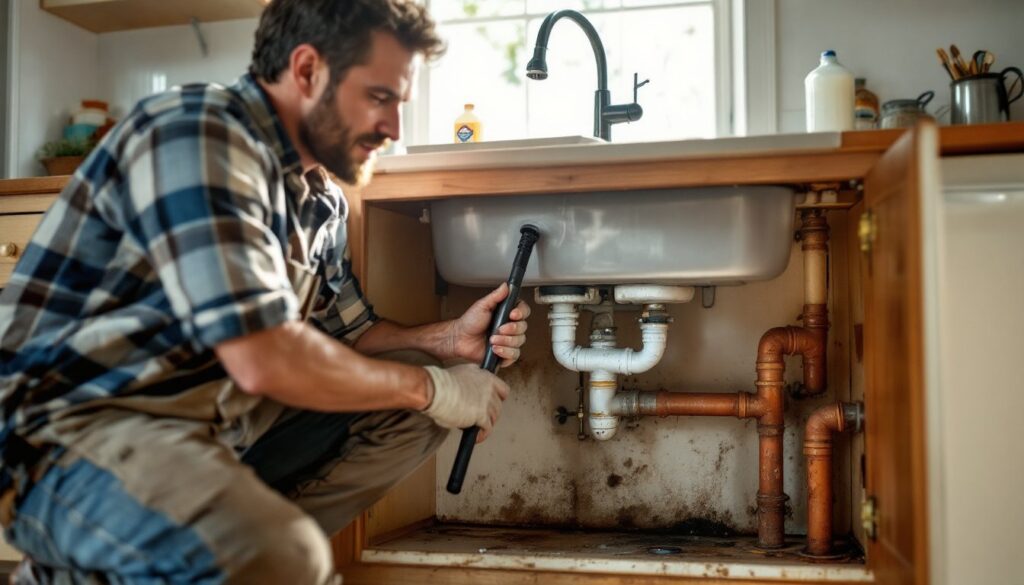
Check under the sink for leaks. Look for water stains or soft spots on cabinet bottoms. Early detection of leaks saves the cabinet and subfloor underneath. Tighten supply lines if they’re loose: replace worn washers on shutoff valves.
-
Clean or replace shower curtain or glass enclosure. Shower curtains harbor mold: wash or replace monthly. Glass doors need a squeegee and periodic deep cleaning with a mix of vinegar and baking soda to dissolve soap scum.
-
Seasonal deep-clean behind and under fixtures. Once or twice a year, move the trash can and clean the floor underneath. Wipe down baseboards and the backs of cabinets. These spots accumulate dust and hair year-round.
Building codes and manufacturer guidance recommend these tasks for bathroom longevity. Blogs like Good Housekeeping and Martha Stewart offer detailed room-by-room templates that align with these intervals.
Organizing Your Cleaning Supplies For Easy Access
If your supplies are scattered across three cabinets, you’ll skip daily habits. Centralize them:
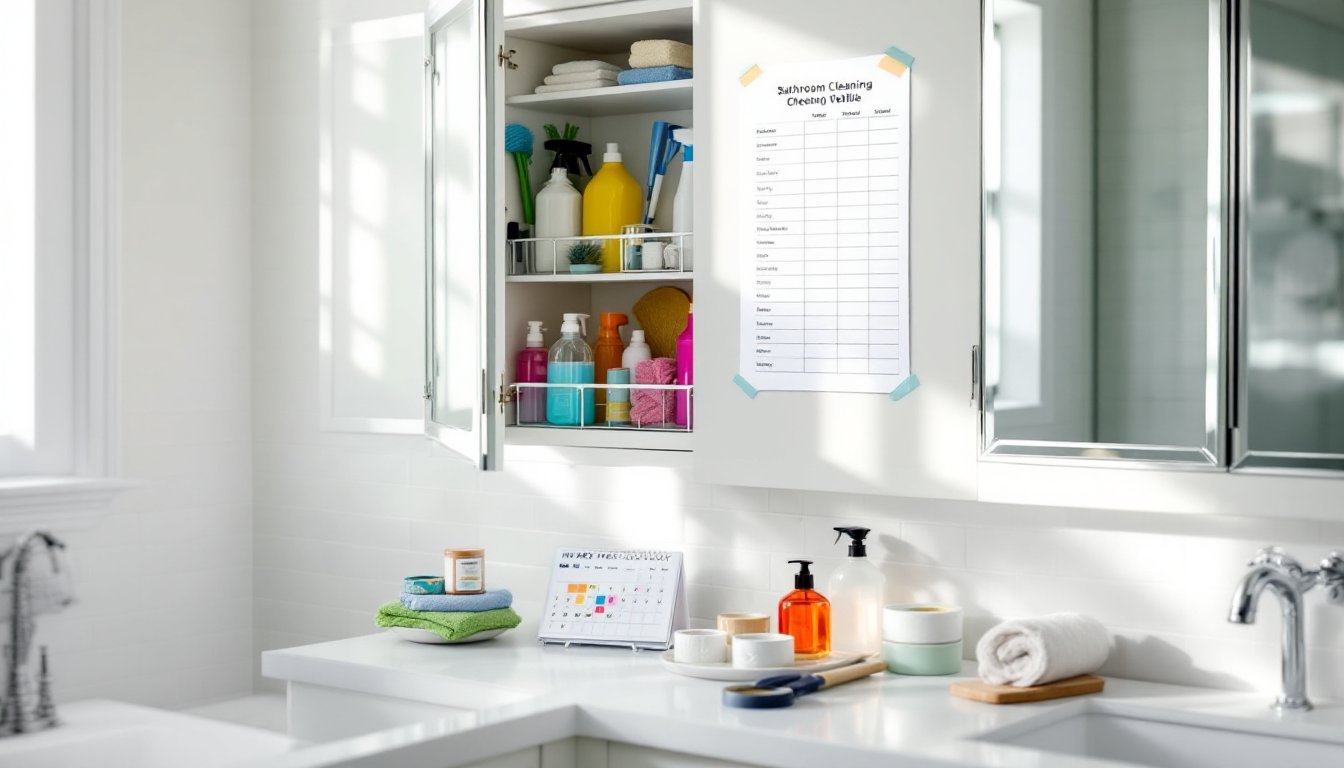
- Designate a caddy or shelf under the sink or in a wall cabinet near the toilet. Store toilet brush, bowl cleaner, spray bottles, and scrub brushes there.
- Use clear containers for powders and diluted solutions so you know when to refill.
- Label everything. A homemade label gun or masking tape prevents accidents and confusion, especially in shared households.
- Keep a house cleaning checklist taped inside the cabinet door. A simple list of daily, weekly, and monthly tasks serves as a visual reminder and holds household members accountable.
- Store safety items together: gloves, a respirator mask (for mold-prone bathrooms), and eye protection. If you’re using harsh chemical cleaners, proper PPE isn’t optional, chemical splash or inhalation causes injury.
Stock essentials: toilet bowl cleaner, all-purpose bathroom cleaner or vinegar, scrub brushes (one for tile, one for toilet), microfiber cloths, squeegee, and a small mop or towel for drying.
Switch to eco-friendly cleaners if preferred, vinegar and baking soda handle most jobs and cost less. Always ventilate when using any cleaner (keep the exhaust fan running or open a window).
Tools And Templates To Simplify Your Routine
Templates and tools remove the guesswork:
Simple Printable Template:
Create a table in Word or Google Sheets with columns for Day of Week, Daily Tasks, Weekly Tasks, and Monthly Tasks. Post it on the bathroom door or mirror. A physical reminder works better than a phone note.
Chore Chart for Families:
If multiple people share the bathroom, assign rotating responsibilities. Monday one person cleans the toilet, Tuesday another handles the shower, etc. Accountability prevents the “someone else will do it” mentality.
Habit Tracking App (Optional):
Apps like Habitica or Todoist let you check off tasks and build streaks. If you’re motivation-driven by progress, this works well.
Timer Method:
Set a 20-minute timer for weekly deep cleaning. The urgency keeps you focused and prevents burnout from feeling like an endless project. Experts at Real Simple recommend this approach for sustained motivation.
Backup Supplies Checklist:
Keep a list of what you’ve run out of. Running low on toilet paper mid-week disrupts the schedule. Monthly inventory prevents last-minute scrambles.
Start simple: a handwritten list and a designated supply cabinet. Once the habit sticks, upgrade to apps or fancy templates if you want. The tool doesn’t matter, consistency does.
Conclusion
A bathroom cleaning schedule isn’t about perfectionism, it’s about breaking the work into realistic, repeating steps so your bathroom stays clean and functional without becoming a source of stress. Daily habits take 10 minutes, weekly deep cleaning takes 45, and monthly checks take minimal time. When everyone in the household knows the expectations, the work becomes routine. Build your schedule, post it somewhere visible, and adjust it based on what works for your family and home. Consistency beats intensity: a little every day beats a big scramble once a month.