
Table of Contents
ToggleDenver’s mineral-heavy water and aging municipal pipes create a perfect storm for drainage problems. Homeowners in the area deal with buildup, sediment, and stubborn clogs that seem to appear right when you can’t afford a plumber. The good news: some drain cleaning issues can be solved with elbow grease and common household items, while knowing when to call in a professional can save thousands in water damage repairs. This guide walks you through what works, what doesn’t, and how to keep your drains flowing freely year-round.
Key Takeaways
- Denver’s hard water and aging pipes make regular drain cleaning essential to prevent buildup, mineral deposits, and costly emergency repairs.
- DIY methods like baking soda and vinegar are effective for minor clogs caused by hair and soap, while hand snakes ($15–$40) can tackle stubborn blockages safely without damaging older pipes.
- Slow drains, bad odors, gurgling sounds, and fruit flies are warning signs that your drains need attention before a full blockage develops.
- Professional drain cleaning services should be called for main line clogs, tree root intrusions, or after DIY attempts fail, as they use camera inspection and high-pressure jets to diagnose and fix complex issues.
- Prevent future drain problems by using drain screens, avoiding grease and food waste, running hot water weekly, and scheduling annual professional cleanings if your home has cast iron or galvanized pipes over 50 years old.
Why Denver Drains Need Regular Cleaning
Denver’s water quality plays a major role in drain maintenance. The region’s hard water, loaded with calcium and magnesium, leaves mineral deposits inside pipes over time. These deposits narrow the pipe’s interior, trapping soap scum, hair, and food waste. Combined with Denver’s older homes, which often have cast iron or galvanized steel drain lines, you’ve got a recipe for chronic slow drains and blockages.
Unlike newer PVC piping in other regions, these older materials are prone to corrosion and interior buildup. Even properly installed modern plumbing can fail prematurely without regular cleaning. Sediment from construction work or aging water mains also makes its way into residential lines, accelerating clogs.
Regular cleaning, whether DIY or professional, removes these deposits before they cause backups. Think of it as preventive maintenance, much like oil changes in your car. A drain that runs slow isn’t just annoying: it’s a warning sign that a full blockage is developing. Addressing it now prevents expensive emergency calls and potential structural water damage to your home.
Signs Your Drains Need Attention
A slow drain is the first red flag. Water backing up into a bathtub or sink, even partially, means debris is restricting flow. If the kitchen sink gurgles when you run the washing machine, multiple drains in your home are likely affected, pointing to a main line issue.
Bad smells coming from drains, musty, sulfur-like odors, indicate trapped organic matter decomposing inside the pipe. Fruit flies congregating near your sink drain are another telltale sign of buildup. These insects breed in the biofilm layer that coats slow-moving drains.
Unusual sounds like gurgling or bubbling during drainage, or water pooling around basement floor drains, suggest a problem deeper in the system. If your toilet runs slowly after flushing or takes longer than usual to refill, the main sewer line may be compromised. Don’t wait until you have sewage backing into your house, that’s an emergency. Act when you notice one or two of these signs, and you’ll avoid that nightmare scenario.
DIY Drain Cleaning Methods That Actually Work
Not every clog needs a professional. Many homeowners can clear minor blockages using basic techniques and tools. The key is understanding what you’re dealing with and having realistic expectations about what DIY methods can achieve.
The Baking Soda and Vinegar Technique
This chemical-free method works surprisingly well for slow drains caused by hair and soap buildup. Start by removing standing water from the sink or tub. Pour 1/2 cup of baking soda directly down the drain, followed by 1 cup of white vinegar. The mixture foams aggressively, that’s normal. Cover the drain opening with a plug or cloth for 15 minutes to keep the reaction contained inside the pipe.
Flush the drain with boiling water. For slow drains, repeat this process once weekly until flow improves. This method is safe for all pipe materials, including older cast iron. It won’t solve major blockages, but it prevents buildup and keeps drains running smoothly. The best part: you probably already have these items in your kitchen.
Using A Plumbing Snake Or Auger
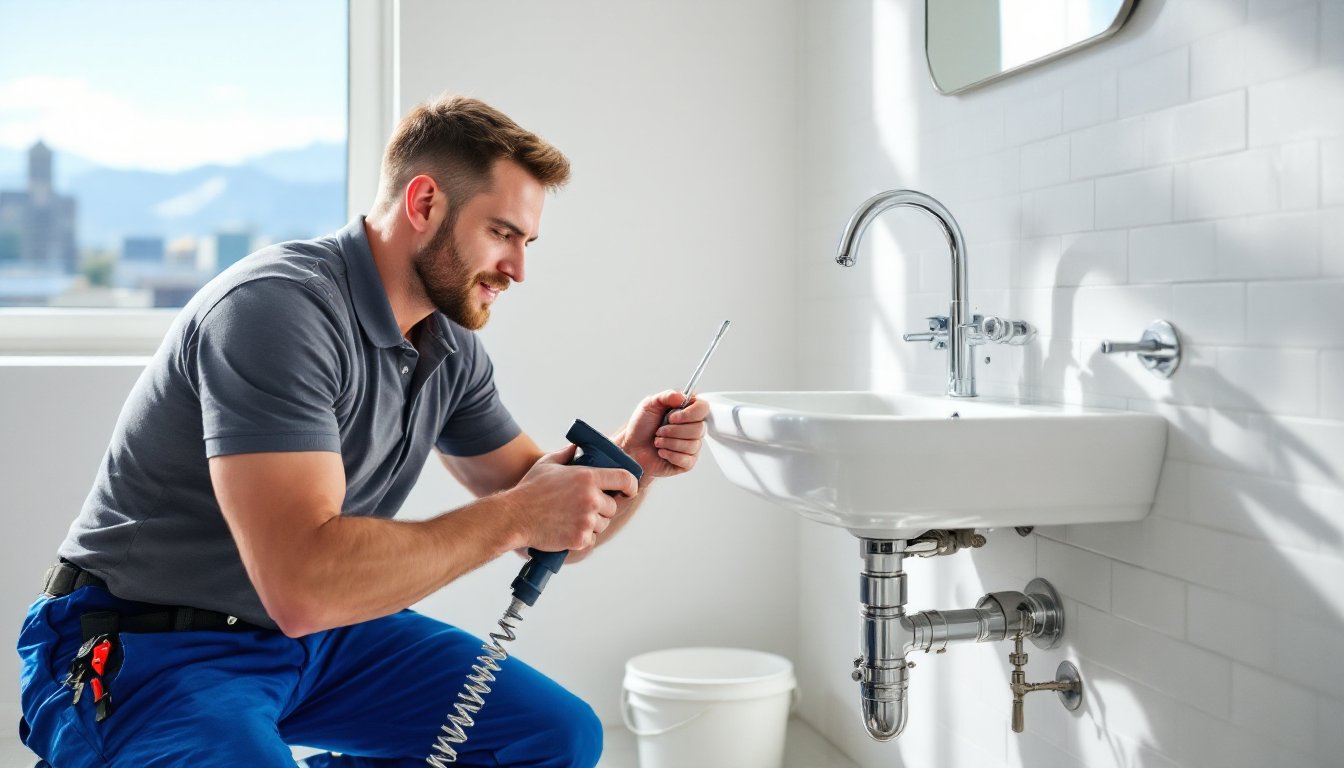
A plumbing snake (also called a hand auger) is a coiled metal cable that can physically dislodge clogs. Hand snakes cost $15–$40 and work great for bathroom drains. For larger drain lines, a motorized auger ($50–$150 rental) gives you more power. These look like a drill with a long, rotating cable attached.
Feed the snake slowly into the drain until you feel resistance, that’s the clog. Don’t force it: twist and turn the handle to break apart the blockage or hook hair and debris. Pull back slowly: the clog often comes out wrapped around the cable. You’ll know it’s working when water drains quickly afterward.
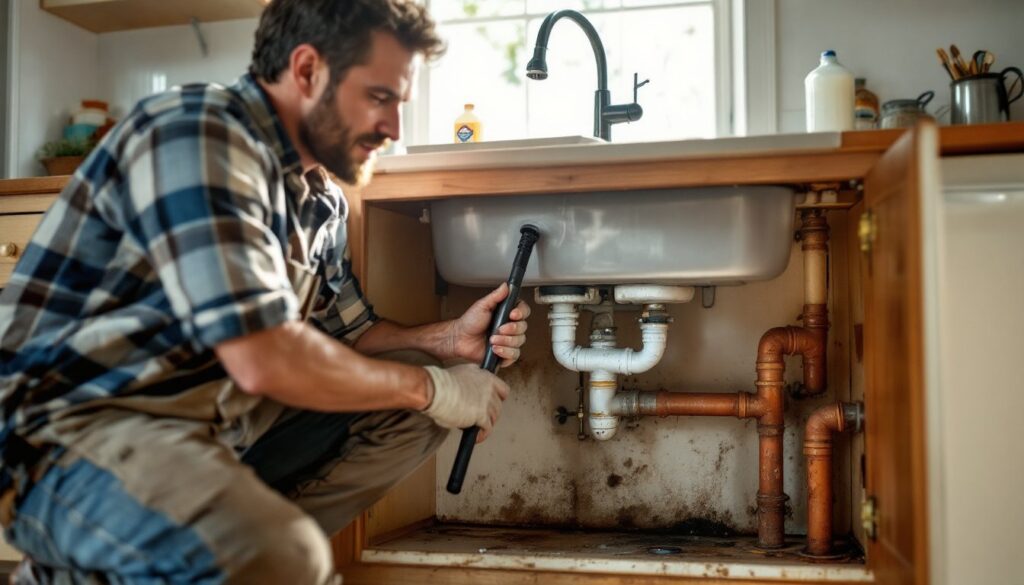
Wear work gloves and safety glasses when using a snake: debris gets messy. For kitchen drains, consider removing the P-trap under the sink first, sometimes the clog sits right there, and you can clear it by hand much faster. Be prepared for standing water to spill out: have a bucket ready.
Note: motorized augers can damage older pipes if used incorrectly. If you rent one, ask the rental company to demo it. Hand snakes are safer and sufficient for most residential clogs in Denver homes.
When To Hire A Professional Drain Cleaner
You’ve got multiple drains backing up simultaneously, sewage is overflowing, or your main line is blocked, these are professional jobs. Main sewer line clogs require equipment you don’t own, like a camera snake to see the blockage or a high-pressure water jet to blast through buildup.
If you’ve already tried a hand snake and the clog persists, you’re likely dealing with something more stubborn: a tree root intrusion, a collapsed section of pipe, or a blockage deep in the main line. Tree roots in drain lines are common in Denver: they follow moisture and penetrate clay pipes. This requires excavation and pipe repair, not just cleaning.
Also call a professional if you’re uncomfortable working with tools, you have cast iron drains that are 50+ years old (they’re fragile), or if the clog is in a location you can’t safely access. The top-rated drain cleaning services in Denver use video inspection to pinpoint problems before quoting work, which saves you money in the long run. They also carry liability insurance and understand local Denver plumbing codes.
Emergency situations, sewage backups into your home, warrant an immediate professional call. Water damage from a burst main line can exceed $25,000. A $200 professional cleaning beats that easily. When in doubt, spend $150–$200 on a professional inspection with a camera. You’ll know exactly what you’re dealing with and can decide next steps with confidence.
Preventing Future Drain Problems
The easiest drain to clean is one you maintain before it gets clogged. Use drain screens (metal mesh or plastic inserts, $2–$5 each) in every sink, shower, and tub to catch hair and food particles. Empty them weekly. They’re small tools that prevent the vast majority of residential clogs.
Never pour grease, oil, or fat down drains, even hot grease solidifies as it cools and creates blockages. Coffee grounds, flour, and starchy food waste also cause problems: dispose of them in the trash. In the kitchen, use a garbage disposal properly: run cold water while operating it, and don’t overload it with fibrous materials like celery or potato peels.
Run hot water down drains once a week to help flush sediment and prevent mineral buildup. For a monthly deep clean, repeat the baking soda and vinegar method. This regular maintenance is especially important for older Denver homes: it keeps mineral deposits from accumulating and slows corrosion in aging pipes.
If you know your home has older cast iron or galvanized piping, consider scheduling professional drain cleaning annually. These pipes corrode internally, and professionals can spot early warning signs, like brown water or slow drains, before catastrophic failure. It’s one of those preventive investments that saves money and headaches.