
Table of Contents
ToggleGutters are one of those things homeowners ignore until water’s pouring through the ceiling. Debris buildup, leaves, and silt choke gutters year-round, and neglecting them invites water damage, foundation issues, and expensive repairs. The good news? Gutter cleaning doesn’t require specialized contractor gear. With the right equipment, from basic hand tools to powered solutions, most homeowners can tackle this project safely and effectively. This guide walks you through the gutter cleaning equipment options available in 2026, so you can pick tools that match your comfort level, home layout, and budget.
Key Takeaways
- Proper gutter cleaning equipment prevents costly water damage, foundation issues, and safety hazards—investing in a quality gutter scoop, stable ladder, and stabilizers saves money on repairs and ER visits.
- Hand tools like ergonomic gutter scoops ($15–$40) and ladder stabilizers work for most homeowners, while pressure washers (electric models at 1,300–2,000 PSI) offer faster cleaning on a budget of $200–$400.
- Safety gear including ladder stabilizers, harnesses rated to ANSI standards, and protective gloves are non-negotiable for gutter cleaning work at any height to prevent falls and injuries.
- Water-fed pole systems ($300–$800) eliminate ladder work and reach up to 30 feet high, making them ideal for difficult-to-access gutters, though they’re slower than hand scooping on heavy debris.
- Single-story homes need basic equipment (scoop, ladder, stabilizers) for $100–$150, while multi-story or steep-roof homes should hire professionals or invest $800+ in advanced gutter cleaning equipment with harnesses.
- Downspout blockages require dedicated tools like drain snakes ($30–$80) and screens to maintain water flow, and climate determines cleaning frequency—heavy tree coverage demands quarterly maintenance versus twice-yearly for moderate areas.
Why Proper Gutter Cleaning Equipment Matters
Gutter cleaning isn’t just about aesthetics. Clogged gutters cause water to back up behind fascia boards, rot wood, and eventually seep into walls and attics. A single season of neglect can cost thousands in foundation and structural repairs. Using the right equipment cuts the job time in half and, more importantly, keeps you safe. A ladder slip while holding a bucket or stretching awkwardly is a common DIY injury. Proper equipment, stabilizers, sturdy scoop designs, and secure footing, removes that risk.
The stakes are higher if you own multi-story homes or have steep roof pitches. That’s where ladder stabilizers, harnesses, and longer-reach tools become non-negotiable. Even for single-story ranches, a quality gutter scoop and stable ladder setup prevent falls and back strain. Investing in decent equipment is cheaper than an ER visit or re-roofing damage down the line.
Hand Tools for Gutter Cleaning
Gutter Scoops and Shovels
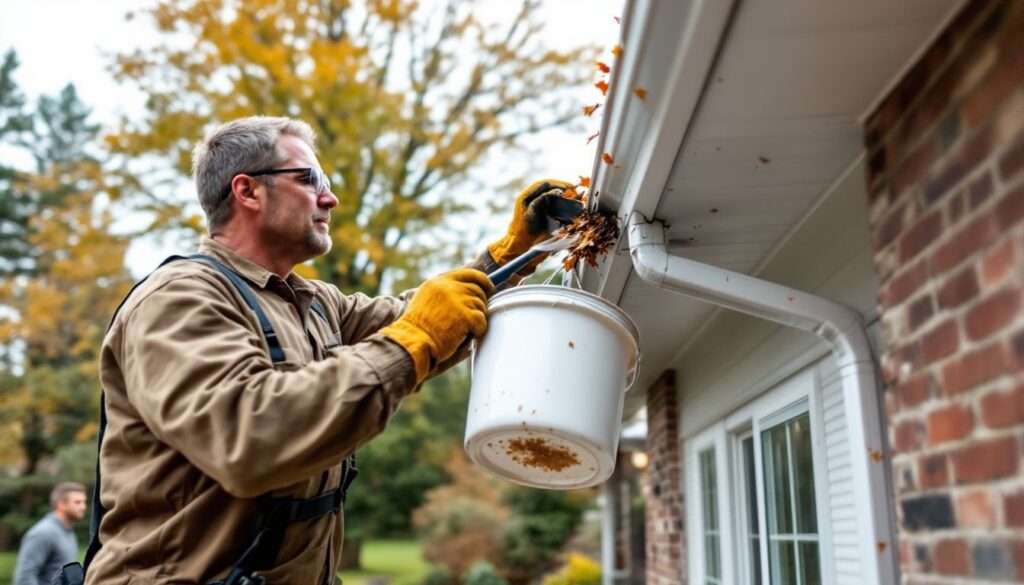
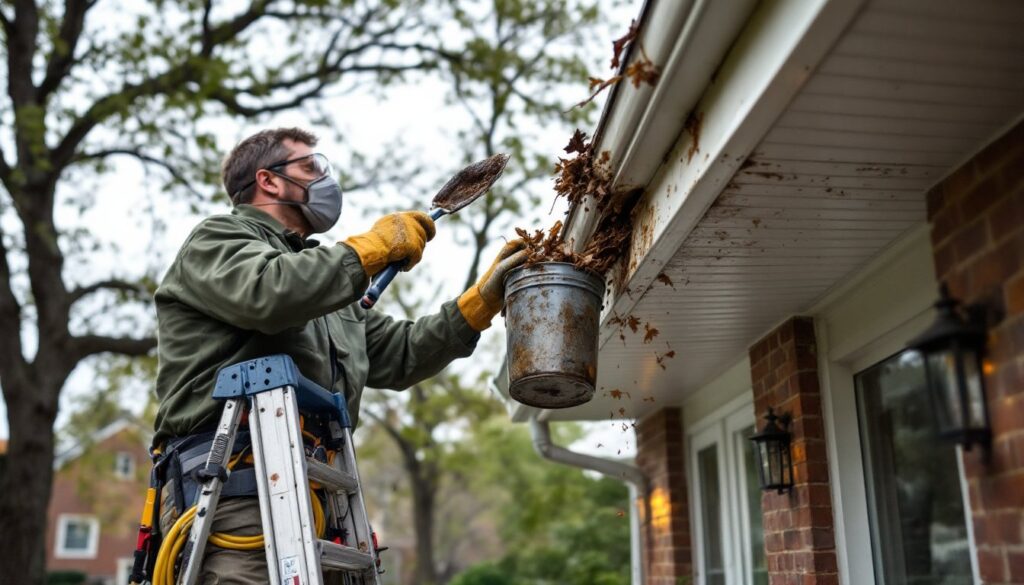
A gutter scoop is the workhorse of hand cleaning. Unlike a regular shovel, a gutter scoop has a narrow, curved blade that fits inside the gutter channel without damaging the metal or fascia. Aluminum and stainless-steel scoops are common: aluminum is lighter (good for overhead work), while stainless resists rust better if left outside between jobs.
Look for scoops with ergonomic handles. A good handle reduces wrist strain when scooping wet, heavy debris, which can weigh 30–50 pounds in a full gutter section. Some scoops have angled or offset heads, letting you scrape corners without twisting your wrist. Expect to spend $15–$40 for a decent one. Cheap plastic scoops crack after a season: mid-range tools last years.
Pro tip: Wet leaves and silt pack down hard. Soften stubborn gunk by spraying it with a garden hose first, then scoop. A hand trowel (2–3 inches wide) is a good backup for tight spots.
Ladder Stabilizers and Safety Gear
A sturdy ladder is non-negotiable, but a ladder alone isn’t enough. Ladder stabilizers, also called standoff bars or stabilizer arms, attach to the top of your ladder, keeping it 12–15 inches away from the gutters and fascia. This angle reduces the strain on your shoulders and back and prevents you from leaning too far sideways, which is when falls happen.
If you’re working at heights above 10 feet, a ladder harness or roof anchor harness rated to ANSI standards is a smart investment. These run $50–$150, but they’re insurance against a catastrophic slip. Wear cut-resistant gloves (nitrile or leather) to protect your hands from sharp debris, nails, or metal edges inside gutters. Use safety glasses to keep grit and splashing debris out of your eyes.
Make sure your ladder is rated for your weight plus 50 pounds of gear and debris. A Type II ladder (rated for 225 pounds) is standard: Type I (300 pounds) is safer if you’re heavier or plan to haul buckets of scooped material. Never skip these basics, they cost less than a day at urgent care.
Pressure Washers and Water-Based Solutions
Once you’ve scooped out heavy debris, a pressure washer cleans the gutters and downspouts in a fraction of the time. Electric pressure washers (1,300–2,000 PSI) are ideal for gutters because they’re lightweight and don’t produce fumes. They connect to a garden hose and a standard outlet, making them affordable ($200–$400). Gas models deliver higher PSI (3,000+) but are louder and heavier, overkill for gutter work.
The risk with pressure washers is overshooting. Too much pressure (over 2,000 PSI) dents aluminum gutters or blasts through seals at joints. Start at 1,500 PSI and work your way up if needed. Angle the nozzle downward at a shallow 15–20 degree angle: never point straight into the gutter.
For those hesitant about ladders, a water-fed pole system reaches gutters from the ground. These telescoping poles ($300–$800) connect to a hose and feature a soft brush head or spray nozzle at the end, up to 30 feet high. You don’t need a ladder, and the work is safer. But, they’re slower than hand scooping and less effective on heavy buildup.
Another option: hire a professional pressure washer. A professional gutter cleaning service typically costs $100–$300, depending on home size. For elderly homeowners or those with mobility issues, this is worth the cost. Check Today’s Homeowner for gutter maintenance tips to see if your situation warrants a pro or if DIY works for you.
Advanced Cleaning Tools and Accessories
Gutter cleaning robots are emerging products that crawl along gutters and vacuum debris. Models like those from specialized manufacturers cost $500–$1,500 and work best on debris-heavy gutters without heavy leaves. They’re convenient but slower than hand scooping and can get stuck on steep pitches or heavily clogged sections. Worth considering if you have tall, difficult-to-access gutters, but not essential for most homes.
Shop blowers (leaf blowers) work well for blowing out dry debris before wet seasons. A corded or battery-powered blower ($100–$300) blasts leaves and fine silt from gutters without water waste. This is a good first pass before scooping heavier, compacted material.
Downspout attachments matter too. When gutters are clean, water flows to downspouts, but blockages there dam up the whole system. Consider a downspout screen (3–5 inches diameter) to catch debris before it clogs the line. Some homeowners add a downspout adapter that lets you attach a leaf blower or drain snake to clear blockages from the ground. Keep a downspout cleaning toolkit ready for seasonal maintenance.
A drain snake or plumbing auger ($30–$80) clears blockages in downspouts and horizontal drain lines. It’s invaluable if water backs up even though clean gutters. A 25-foot hand-crank auger handles most residential downspout clogs.
Choosing the Right Equipment for Your Home
Your choice depends on three factors: home height, gutter length, and debris type.
Single-story homes with short gutters and moderate debris: Start with a basic hand scoop, a stable ladder, and ladder stabilizers. Total investment: $100–$150. This covers 80% of homeowners.
Two-story homes or heavy leaf cover: Add a pressure washer and a longer-reach setup. Budget $400–$600 total. Hand scooping is still necessary for heavy gunk, but a washer speeds the final cleanup.
Multi-story or steeply pitched roofs: Consider professional services or a water-fed pole system. DIY becomes risky: the cost of hiring a pro ($150–$300) is worth the safety trade-off. If you’re confident with heights and equipment, a harness and professional-grade tools raise your budget to $800+.
Climate matters too. Homes in areas with heavy tree coverage need quarterly cleaning: others get by twice yearly. Frequent cleaners benefit from dedicated, high-quality equipment. Those doing it once yearly can rent specialized tools instead of buying.
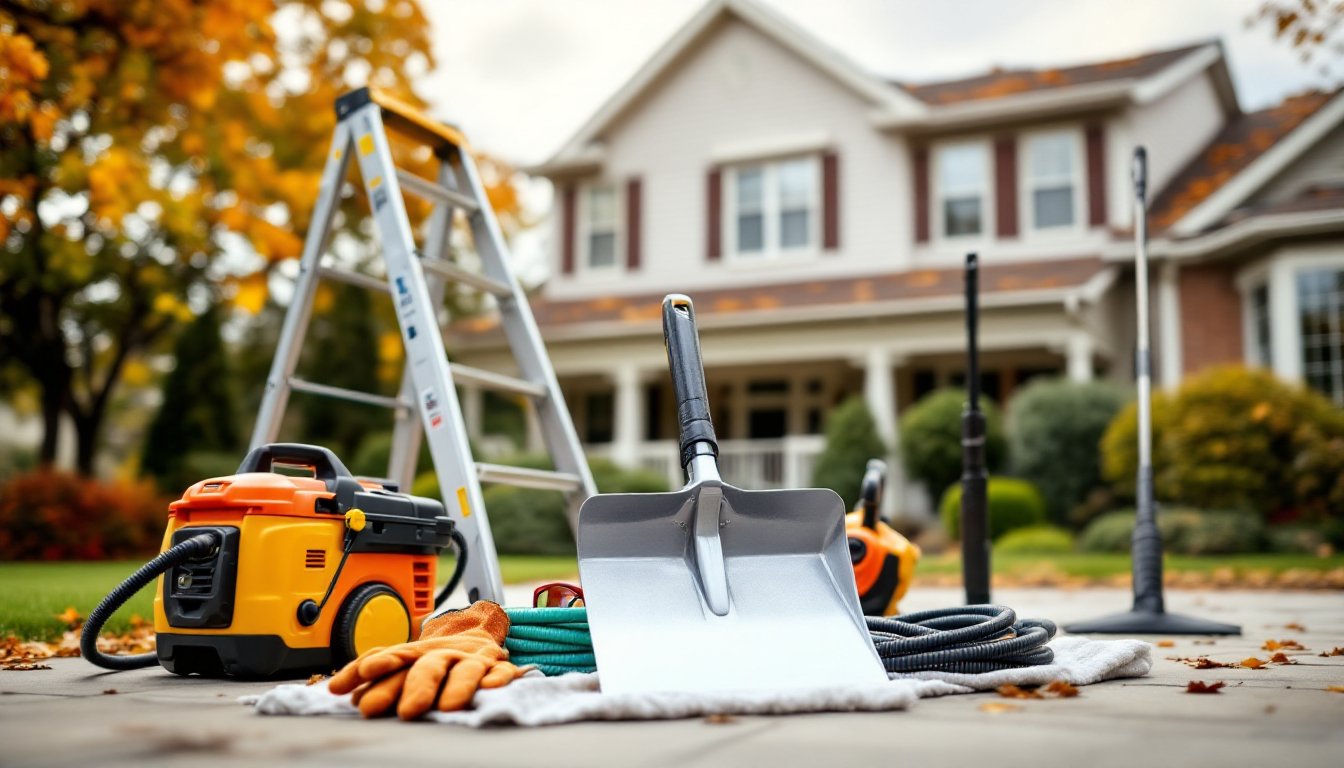
Start simple. A scoop, ladder, gloves, and goggles handle most jobs. Upgrade to a pressure washer or water-fed pole if hand scooping becomes a bottleneck. Popular Mechanics and DIY resources offer detailed guides on tool selection for your specific situation. Don’t buy every gadget at once: experience tells you what you really need.