
Table of Contents
ToggleSan Diego’s Mediterranean climate and year-round mild weather seem perfect for homeowners, except when your drains decide otherwise. Whether you’re dealing with slow-draining sinks, backed-up showers, or that unmistakable gurgling sound coming from your toilet, drain problems are a reality in most homes. The good news is that drain cleaning in San Diego, CA doesn’t always require an expensive emergency call. Many clogs can be tackled with simple tools and techniques, but knowing when to reach for professional help saves time, money, and the headache of a flooded bathroom. This guide walks you through recognizing drain problems, trying fixes yourself, and understanding when a licensed plumber makes sense.
Key Takeaways
- Regular drain maintenance in San Diego, CA prevents expensive emergencies by removing hard water deposits, soap residue, and hair buildup before they cause complete blockages.
- Simple DIY methods like boiling water, baking soda and vinegar, and drain snakes can clear most minor clogs, but professional drain cleaning becomes necessary for multiple slow drains, foul odors, or suspected root intrusion.
- Hair in bathrooms and grease in kitchens are the leading causes of clogs, and using drain screens ($2–$8) plus monthly hot water flushes dramatically reduces future problems.
- Video camera inspection ($150–$400) should be used to diagnose main line issues and determine whether the clog is caused by roots, mineral deposits, or debris before attempting repairs.
- Homes over 40 years old benefit from professional preventive drain cleaning annually, as older cast-iron or clay lines are prone to fractures that can lead to costly excavation repairs.
- Licensed plumbers with California State Plumbing Contractors’ Board certification should handle main line clogs and sewer line work that requires permits under San Diego building codes.
Why Regular Drain Maintenance Matters for San Diego Homes
San Diego’s older homes and varying water mineral content mean drains work harder than you’d think. Hard water deposits, soap residue, and hair buildup create layers of restriction over time. Even new construction isn’t immune, modern fixture drainage slopes still slope at 1/4 inch per foot, and any deviation invites slow drainage and eventual blockages.
Regular maintenance prevents costly emergencies. A slow drain today becomes a completely blocked line tomorrow, especially in homes where multiple fixtures feed into a single branch line. Running hot water after each use, using drain screens, and flushing with baking soda monthly cost almost nothing and extend the life of your plumbing.
Clean drains also prevent foul odors and backup-related water damage. San Diego homeowners should inspect drains seasonally, especially during dry months when mineral deposits concentrate. Preventive drain cleaning in San Diego, CA prevents the panic of a toilet that won’t flush during dinner guests.
Signs Your Drains Need Professional Cleaning
Slow draining water is the first red flag. If water sits in your sink for more than 10–15 seconds after you pull the plug, something’s restricting flow. Showers that pool around your feet are equally telling, that water should vanish within seconds.
Listen for gurgling sounds, especially in toilets or shower drains when you run the washing machine. This indicates air trapped behind a blockage, meaning water can’t flow freely. Foul smells from drains aren’t normal either: they suggest decomposing organic matter stuck in the line, which cleaning will address.
Multiple fixtures draining slowly at once is serious. If your bathroom sink, shower, and toilet all drain slowly, the problem likely sits in the main drain line, not individual traps. This needs professional attention because main line clogs require access points and specialized equipment. Conversely, one slow fixture usually points to a local clog you might handle yourself.
Common Causes of Drain Clogs in San Diego
Hair is the #1 offender in bathrooms. It tangles with soap residue, creating a webbed barrier that traps other debris. San Diego’s dust-prone environment means even well-maintained homes accumulate fine particles in floor drains.
Kitchen drains face different challenges. Grease is the culprit most people forget about. Cooking oil solidifies as it cools, sticking to pipe walls and trapping food particles. Avoid pouring any grease, even small amounts, down the drain. Fibrous foods like celery and potato peels also jam garbage disposals and downstream traps.
Older homes in neighborhoods like Normal Heights or Mission Hills often contend with root intrusion. Trees seek out tiny cracks in clay or concrete sewer lines, especially during San Diego’s dry season when soil moisture drops. Roots don’t break pipes immediately, but they create catch points for debris. If your main line clogs seasonally, roots are worth investigating.
Mineral buildup from hard water affects both copper and PVC lines. San Diego’s water hardness varies by neighborhood, but deposits reduce effective pipe diameter over years. Professional drain cleaning with camera inspection can reveal mineral buildup before it becomes critical.
DIY Drain Cleaning Methods You Can Try First
Start with the simplest approach: boiling water. For grease clogs in kitchen drains, pour a kettle of boiling water slowly down the drain. The heat liquefies solidified grease so it flows through. This works for minor clogs and costs nothing.
Baking soda and vinegar is the next level. Pour 1/2 cup of baking soda directly into the drain, follow it with 1 cup of white vinegar, cover the drain, and wait 30 minutes. The fizzing action breaks apart minor buildup. Flush with boiling water afterward. This method is safe, non-toxic, and surprisingly effective for slow drains caused by soap scum.
A plunger works on fixture drains when water is present. Fill the sink with a few inches of water, cover the overflow hole with a wet cloth, and plunge vigorously 15–20 times. The pressure dislodges clogs in the trap. Use a flange plunger (the kind with the fold-out bottom) for maximum seal.
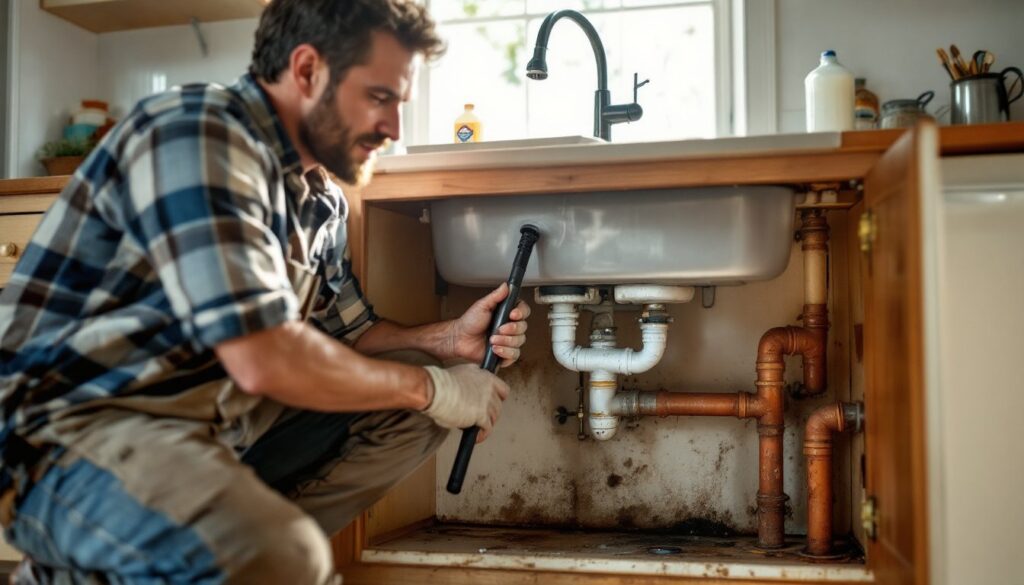
For hair clogs, a drain snake or wire hanger works well. Straighten a wire hanger, bend a small hook at one end, and fish into the drain. You’ll snag hair and pull it out. Drain snakes with hand cranks (under $15) give better leverage than makeshift tools.
If those fail, a wet/dry shop vacuum can apply suction to dislodge clogs. Seal the drain opening tightly to the vacuum hose, turn it to suction mode, and let suction do the work. Wet/dry vacuums handle standing water better than household vacuums.
When to Call a Professional Drain Cleaning Service
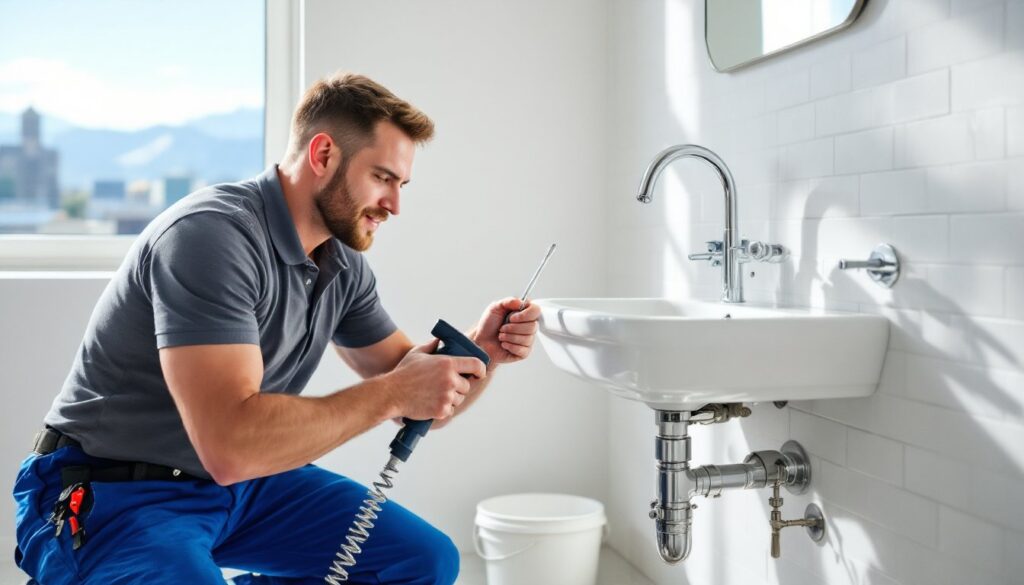
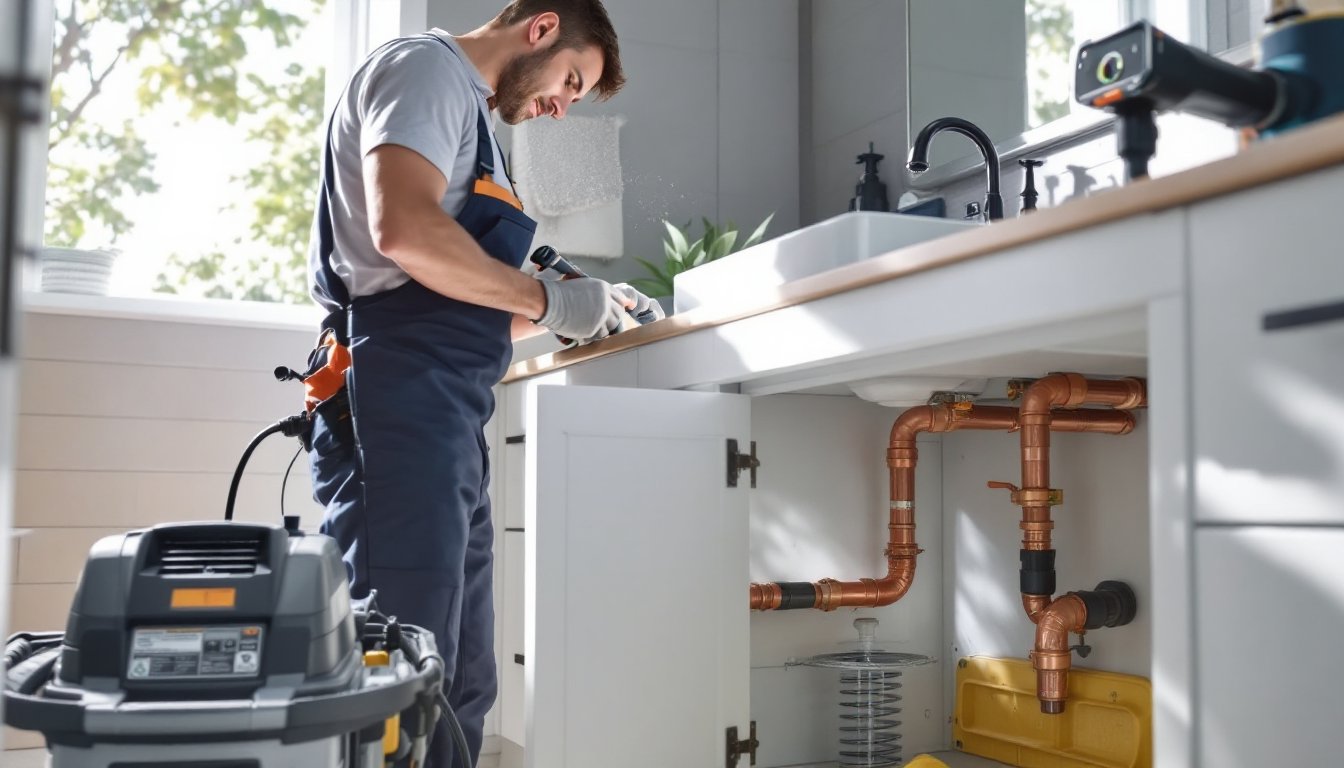
Stop DIYing and call a professional if your efforts don’t clear the clog within an hour. Time spent wrestling with the same drain is time wasted. Professional plumbers have tools, motorized drain augers, hydro-jetters, and camera inspection systems, that clear clogs DIY methods can’t touch.
Multiple slow drains signal a main line clog, which requires licensed professionals. Main line access means working with clean-outs (usually buried beneath concrete or in yard corners), and mistakes invite sewage backup into your home. Not worth the risk.
If you suspect root intrusion, camera inspection pinpoints the problem. Top-rated drain cleaning services in San Diego, CA use video cameras to see inside pipes without excavation. Knowing whether roots, mineral deposits, or debris caused the clog determines the best fix. A camera inspection costs $150–$400 but prevents guessing.
Odor issues that persist after cleaning often indicate a ruptured or separated pipe, which requires excavation. Professionals equipped with proper licensing and insurance handle this. San Diego building codes require permits for sewer line work, so verify your plumber is licensed with the California State Plumbing Contractors’ Board.
If your home is over 40 years old, professional drain cleaning becomes more valuable as preventive maintenance. Older cast-iron or clay lines are prone to fractures, and a professional assessment catches problems before they escalate into five-figure repairs.
Keeping Your Drains Clear Year-Round
Establish a monthly maintenance routine. Use drain screens in every fixture to catch hair and debris before they enter pipes. Screens cost $2–$8 and save headaches.
Flush drains weekly with hot water. For kitchen drains, add a squirt of dish soap before the hot water rinse, the soap helps break grease before it solidifies. Avoid chemical drain cleaners: they corrode pipes over time and pose safety risks if mixed with other products.
Be intentional about what enters drains. Never pour grease, cooking oil, or fat down any drain, not even small amounts. Dispose of food scraps in compost or trash, not the garbage disposal. Limit food waste disposal altogether: those machines aren’t garbage cans.
For bathrooms, replace shower and sink traps annually if they’re exposed and easily accessible. Traps collect hair and debris, and swapping them takes minutes with a wrench. If traps are hidden behind walls or under vanities, a professional can clean them during your annual maintenance visit.
Monitor your water pressure. Low pressure sometimes signals mineral buildup in water supply lines, not drains, but the symptom warrants investigation. High-pressure water can also stress connections, so if your pressure exceeds 80 psi, install a pressure-reducing valve.
For homeowners considering a cheapest drain cleaning service or preventive maintenance, annual inspections typically cost $100–$200 and reveal problems while they’re manageable. Family Handyman’s plumbing guides and HomeAdvisor’s cost estimators provide good reference points for understanding what drain work should cost in your area.
Conclusion
Drain problems in San Diego homes are manageable when you act early. Most slow drains respond to simple maintenance and basic tools, boiling water, baking soda, or a hand snake. But, stubborn clogs, foul odors, and multiple affected fixtures demand professional drain cleaning in San Diego, CA. Knowing your limits saves money and prevents damage that costs far more to repair. Stay proactive, invest in prevention, and call licensed professionals when DIY reaches its limit.