
Table of Contents
ToggleA slow kitchen drain is one of those problems that sneaks up on you. One day your sink drains normally: the next, water pools around your feet while you’re doing dishes. Before you grab a bottle of harsh chemical drain cleaner or call a plumber, know this: many kitchen drain clogs can be cleared with tools and methods you probably already have at home. This guide walks you through proven DIY solutions, warns you when professional help is necessary, and shows you how to prevent the mess from happening again.
Key Takeaways
- Kitchen drain cleaning can often be handled with DIY methods like the baking soda and vinegar solution before calling a professional plumber.
- Grease buildup is the primary cause of kitchen drain clogs; never pour warm fat or oil down the drain and instead let them cool and dispose in the trash.
- Early warning signs of a slow kitchen drain include sluggish water drainage, gurgling sounds, foul odors, and water backing up into other sinks throughout your home.
- A plumbing snake is an effective tool for removing stubborn blockages, but professional help is needed if clogs affect multiple drains, involve old pipes, or resist DIY treatment.
- Prevent future kitchen drain issues by installing a drain strainer, running hot water after dishes, and performing monthly maintenance flushes with baking soda and vinegar.
Why Kitchen Drains Get Clogged and Slow to Drain
Kitchen drains face a unique challenge: they handle everything from food scraps to grease to soap residue. Unlike bathroom drains, which mostly deal with hair and toothpaste, kitchen drains are a catch-all.
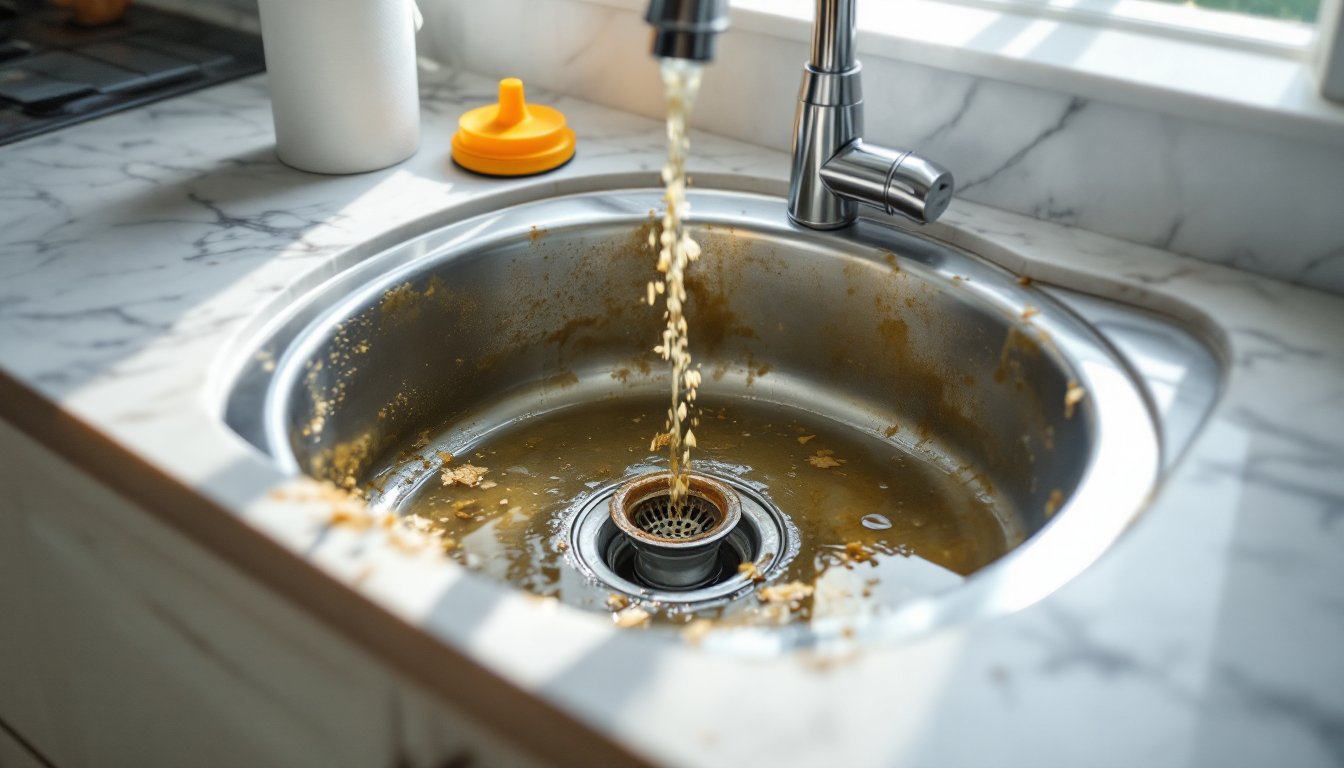
Grease is the primary culprit. When you pour warm bacon fat or rinse oily pans down the sink, that grease coats the inside of your pipes. As it cools, it hardens into a sticky deposit that traps food particles, hair, and mineral buildup. Over months, these layers create a blockage.
Food debris compounds the problem. Even if you use a drain strainer, fine particles slip through, coffee grounds, fruit pulp, leftover bits of pasta. These accumulate in the trap (the U-shaped section of pipe under your sink) and downstream, creating a dam that slows water flow.
Soapy water and mineral deposits from hard water also play a role. Soap scum combines with calcium and magnesium to form scale buildup on pipe walls, gradually narrowing the opening. In older homes with galvanized steel pipes, rust and corrosion add another layer of restriction.
Quick Warning Signs Your Drain Needs Cleaning
Catching a clogged drain early saves you headaches, literally and figuratively. Here are the red flags:
Slow drainage. Water lingers in your sink instead of disappearing within a few seconds. This is the earliest warning sign and the easiest to address before a complete blockage happens.
Gurgling sounds. When water does drain, you hear bubbling or gurgling noises. This means air is trapped behind a partial blockage and is being forced out as water pushes through.
Foul odors. A rotten or sour smell coming from the drain means food is decomposing inside the pipe. This happens when debris sits stagnant and bacteria feed on organic material.
Water backing up into the sink. If water from the other side of your sink (like the garbage disposal side) backs up into the side you’re using, the blockage is downstream in the main line, not just in the trap.
Multiple slow drains. If your kitchen sink, bathroom sink, and shower all drain slowly at the same time, the clog is likely in your main drain line. This requires more aggressive treatment or professional intervention.
Don’t wait until your sink won’t drain at all. A slow drain is your cue to act.
The Baking Soda and Vinegar Method: A Safe DIY Solution
Before reaching for commercial drain cleaners, try the baking soda and vinegar method. It’s safe, cheap, and works on most minor clogs. You’ll need:
• Baking soda (1/2 cup)
• White vinegar (1 cup)
• Hot water (a kettle or pot of boiling water)
• A rubber drain plug or wet cloth (to seal the drain)
• Rubber gloves (optional, but recommended)
Steps:
-
Remove standing water. Use a cup to bail out any water pooling in the sink. You want the drain opening to be accessible.
-
Pour baking soda down the drain. Dump the 1/2 cup of baking soda directly into the drain opening. Use a spatula or spoon to push it down if it sits on the surface.
-
Add vinegar and seal. Slowly pour the white vinegar down the drain. The mixture will fizz and bubble, this is normal and helps dislodge debris. Immediately cover the drain with a rubber plug or wet cloth to contain the fizzing action and direct it downward into the pipes.
-
Wait 15–30 minutes. Let the chemical reaction work. The bubbling breaks apart grease deposits and loosens trapped debris.
-
Flush with hot water. Boil a kettle of water and carefully pour it down the drain. This rinses away the loosened material and carries it downstream. If water still drains slowly, repeat the process.
This method works best on partial clogs and regular maintenance. For stubborn blockages, you’ll need mechanical removal.
Using a Plumbing Snake to Remove Stubborn Blockages
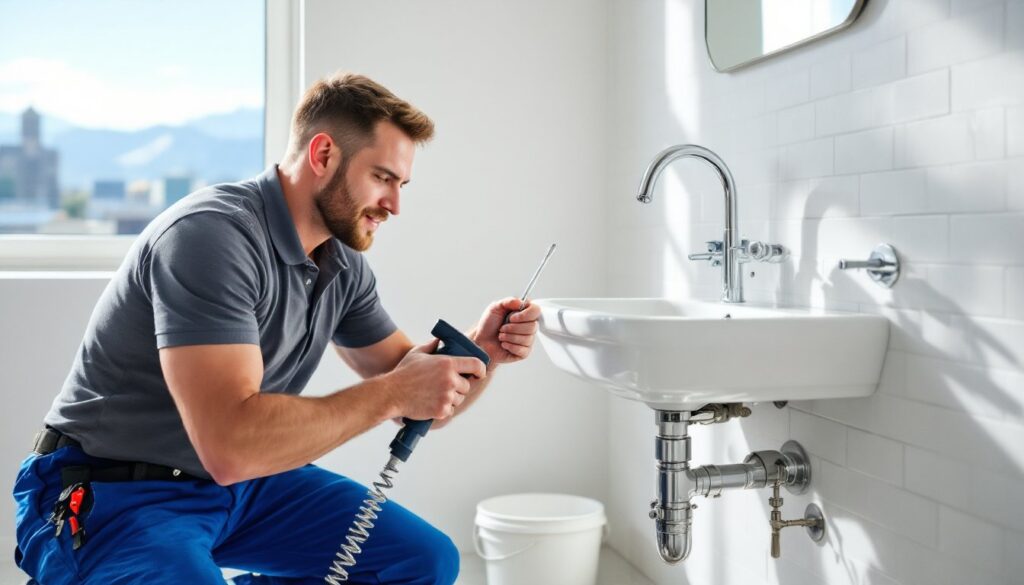
A plumbing snake (also called a drain auger or drum auger) is a long, flexible metal cable with a hook or corkscrew tip. It physically breaks apart clogs and pulls out debris. You can rent one from most hardware stores for $15–$30 per day or buy a basic model for $25–$60.
Hand-crank snakes (manual augers) work well for kitchen drains. Motorized versions are overkill for most homeowner situations and are harder to control in tight spaces.
Setup and use:
-
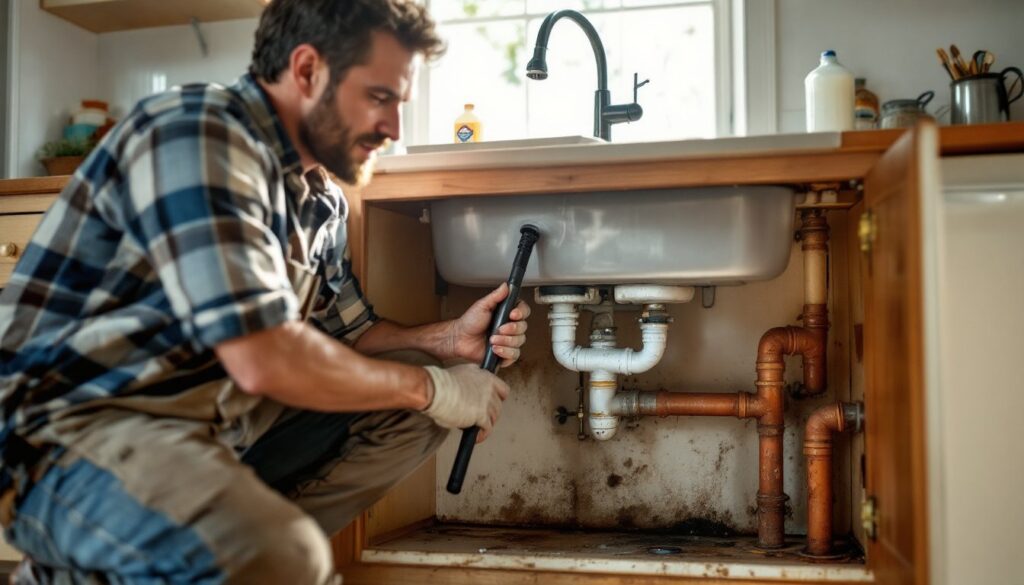
Clear the area under the sink. Remove the cabinet contents so you have access to the P-trap (the curved section of pipe below the sink).
-
Position a bucket underneath. Clogs often release water and debris when broken apart. Protect your cabinet floor.
-
Insert the snake into the drain. Feed the cable down the drain opening slowly. You’ll feel resistance as it hits the clog.
-
Crank and work through the blockage. Turn the handle clockwise while gently pushing forward. The cable tip will hook, break apart, and pull up debris. Don’t force it, steady pressure is more effective than brute force.
-
Pull the snake out slowly. As you retract the cable, it should bring blockage material with it. Dispose of the gunk and repeat if necessary.
-
Flush with hot water. Once the snake breaks through, run boiling water down the drain to flush away loose debris.
If the snake gets stuck or you can’t feel the cable moving, stop. You may have hit a sharp bend or encountered a problem requiring professional equipment. Forcing a stuck snake can damage pipes, especially if they’re old or plastic.
Wear gloves. The material pulled from a clog can be unpleasant.
When to Call a Professional Plumber
Some situations are beyond DIY territory. Know when to step back and call a licensed professional.
Call a plumber if:
• The clog is in the main drain line. If multiple drains throughout your house are slow, the blockage is downstream from the kitchen. This requires specialized equipment like motorized augers or video inspection cameras.
• You’ve tried baking soda, vinegar, and a snake without success. Stubborn clogs often indicate a more serious issue: a collapsed section of pipe, tree roots infiltrating the line, or grease buildup requiring commercial-grade equipment.
• Water backs up into other drains. This signals a main line obstruction and needs professional assessment.
• You see or smell sewage. A backed-up sewer is a health hazard. Don’t delay.
• Your pipes are old or made of clay, cast iron, or galvanized steel. These materials are fragile. A snake can puncture or collapse them. A plumber will know how to work with these safely and may recommend trenchless repairs if damage is suspected.
• You’re uncomfortable working with plumbing or lack the tools. There’s no shame in outsourcing. A professional visit ($150–$300 on average, depending on location and severity) beats a flooded cabinet or damaged pipes.
• Your home was built before 1980. Older plumbing systems often need specialized knowledge. Modern DIY solutions sometimes don’t work well with vintage installations.
A professional can use tools like motorized augers, hydro-jetting (high-pressure water to blast clogs), or video cameras to pinpoint the exact problem. When you call, describe what you’ve already tried. This helps the plumber come prepared and may affect the bill.
Preventing Future Clogs: Simple Maintenance Habits
An ounce of prevention is worth a pound of drain cleaner. These habits keep your kitchen drain flowing freely:
Use a drain strainer. A simple mesh or perforated screen ($3–$10) catches food particles, coffee grounds, and debris before they enter the pipes. Empty it after each use. It’s the cheapest insurance policy you can buy.
Never pour grease down the drain. Let bacon grease, cooking oil, and pan drippings cool and solidify. Scrape them into a container (old soup can or jar) and toss in the trash. Alternatively, wipe greasy pans with a paper towel before washing. This single habit prevents 80% of kitchen drain clogs.
Run hot water after dishes. A minute or two of hot water after washing dishes helps dissolve soap and flushes loose particles. For garbage disposals, run water before, during, and after grinding food.
Monthly hot-water flush. Once a month, boil a large pot of water and pour it slowly down the drain. This melts accumulated grease and flushes minor debris before it becomes a clog.
Baking soda maintenance. Every few weeks, dump 1/4 cup of baking soda down the drain followed by vinegar and hot water. This keeps buildup at bay without the drama of a full clog-clearing session.
Don’t use garbage disposals as trash cans. Even with a disposal, don’t grind fibrous materials (celery, corn husks, banana peels), starchy foods (pasta, rice), or excessive grease. Disposals help, but they aren’t magic.
If you want professional expertise on drainage maintenance or need recommendations for when to upgrade old pipes, trusted sources like Bob Vila and Today’s Homeowner offer detailed seasonal guides. Understanding how your kitchen drain works, where the trap is, how water flows, what materials your pipes are made of, makes troubleshooting easier and helps you communicate clearly with a plumber if the time comes.
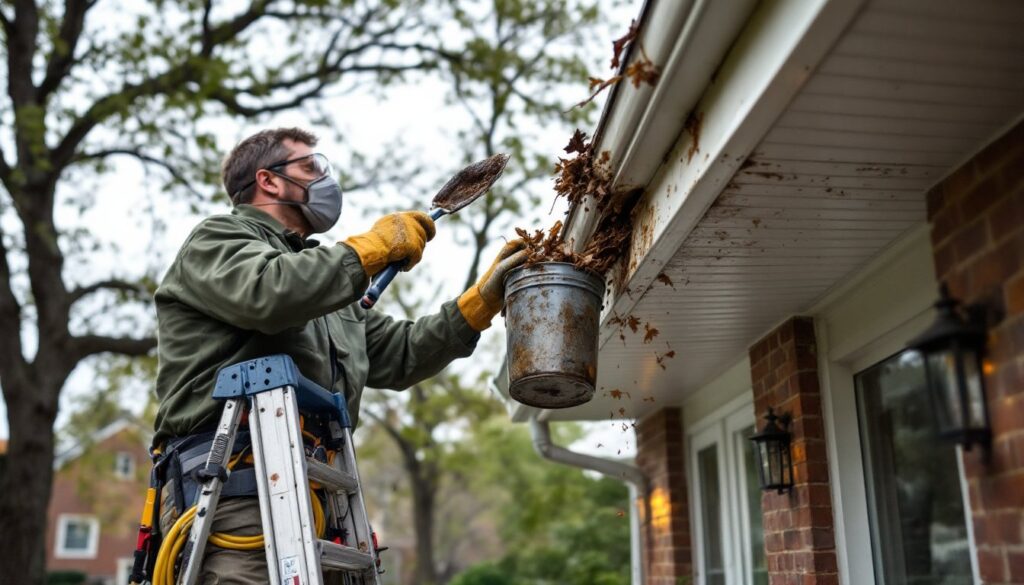
For severe blockages that resist DIY methods, professional kitchen drain cleaning services can restore flow quickly and assess whether deeper problems exist. Also, maintaining clear drains ties into your home’s overall water management system, similar to how downspout cleaning protects your foundation from water damage.
Conclusion
A slow kitchen drain doesn’t have to mean a call to the plumber or a cabinet full of harsh chemicals. Start with the safe, inexpensive baking soda and vinegar method. If that doesn’t work, a plumbing snake is your next line of defense. Know your limits: if the clog persists, is in the main line, or you’re uncomfortable proceeding, professional help is the right call. Most importantly, adopt simple prevention habits, use a strainer, don’t pour grease, and flush with hot water. These routines keep your kitchen drain trouble-free for years.