
Table of Contents
ToggleA clogged toilet is one of those household problems that catches everyone off guard, usually at the worst possible moment. Before you panic and call a plumber (which can cost $200 to $400 for a simple clearing), know that most toilet drain clogs are fixable with basic tools and a methodical approach. This guide walks you through identifying what’s blocking your drain, which techniques actually work, and when it’s time to bring in a professional. You’ll learn how to handle everything from minor slowdowns to stubborn blockages, plus straightforward prevention tactics to keep your drains flowing smoothly.
Key Takeaways
- Most toilet drain clogs can be cleared yourself using a plunger or toilet auger ($15–$60) rather than calling a plumber for $200–$400.
- Common causes of toilet drain clogs include flushing non-flushable items like wipes, paper towels, hair, and excess toilet paper that accumulate over time.
- Signs that your toilet drain needs cleaning include slow drainage, incomplete flushing, gurgling sounds, and water backing up after flushing.
- Prevent toilet drain problems by flushing only human waste and toilet paper, using a separate trash bin for wipes and hygiene products, and performing monthly maintenance with baking soda and hot water.
- Call a professional plumber if sewage backs up into other fixtures, your plunger and auger fail to clear the clog, or you suspect damage to the toilet itself.
Why Toilet Drains Clog and When to Act
Toilet clogs happen for predictable reasons. The most common culprit is flushing non-flushable items, wet wipes (even if labeled “flushable”), paper towels, feminine hygiene products, or excess toilet paper. Hair, soap buildup, mineral deposits, and hard-water scale can also restrict water flow over time. In older homes, tree roots penetrating cast-iron drain pipes or settled pipes with poor slope compound the problem.
You don’t need to act immediately on every slow drain. A toilet that empties in 5-10 extra seconds might clear itself, especially if it’s a one-time occurrence after heavy use. But, if water backs up into the bowl after flushing, drains slowly every time, or you notice sewage smells, it’s time to intervene. A quick response prevents a partial clog from becoming a complete blockage that impacts your entire plumbing system.
Signs Your Toilet Drain Needs Cleaning
Pay attention to these warning signs. If the water swirls slowly or incompletely when you flush, or if the bowl refills with water that drains gradually, your drain needs attention. Gurgling sounds from the toilet or other drains in your home suggest a blockage restricting airflow. Standing water, overflow after flushing, or water that backs up into adjacent fixtures points to a more serious obstruction.
A toilet that functions normally but drains sluggishly compared to six months ago often indicates accumulating debris, a perfect time for preventive cleaning before it becomes urgent. Conversely, an abrupt complete blockage (usually after flushing something unsuitable) demands immediate action. The difference matters because gradual buildup and sudden foreign objects sometimes need different solutions.
Essential Tools and Materials You’ll Need
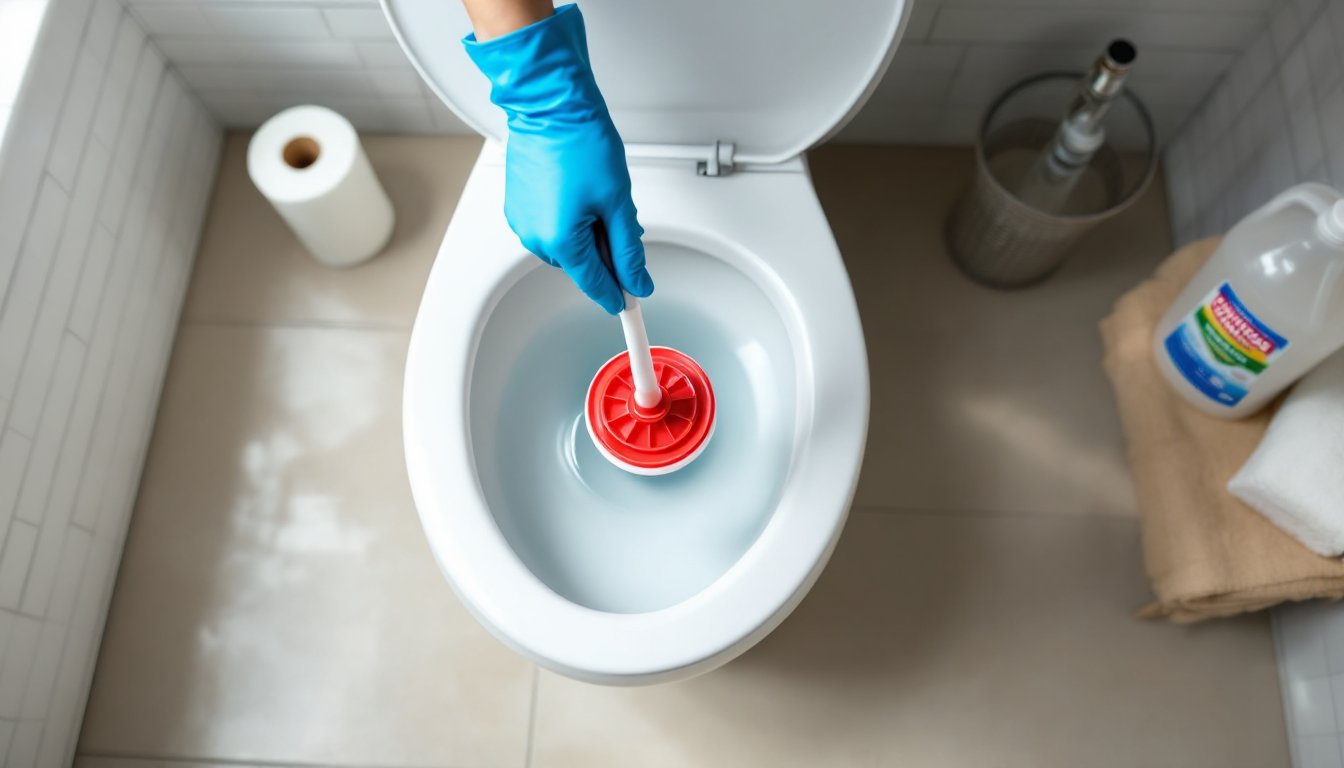
Start simple before investing in specialized equipment. A standard cup plunger (the type with a flat bottom, not a flange) or a flanged plunger (with the rubber extension underneath) are your first line of defense and cost under $15. For stubborn clogs, a toilet auger (also called a closet auger or snake) runs $30-$60 and manually breaks through obstructions without damaging porcelain.
Gather these basics: rubber gloves, safety glasses, old towels or rags to contain splashes, and a bucket for excess water if you need to remove some from the bowl. Baking soda and white vinegar can help with organic buildup, though they’re better for maintenance than severe clogs. Skip caustic drain cleaners like sodium hydroxide: they damage old pipes, corrode metal fittings, and create toxic fumes in enclosed spaces. If you’re considering a plumbing snake or auger, make sure you choose one rated for toilet use, they have different curve designs than sink augers to prevent perforation of the porcelain bowl.
DIY Methods to Clear Your Toilet Drain
When to Call a Professional Plumber
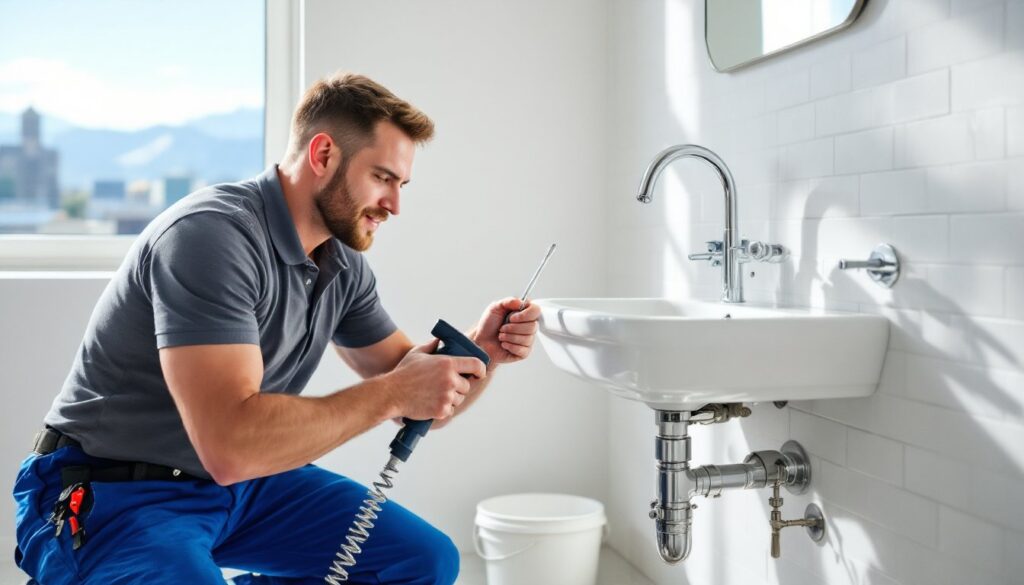
Know your limits. If the clog persists after plunging and an auger attempt, you’re facing either a blockage in the main sewer line (beyond the toilet itself), internal damage to the toilet, or an object (like a child’s toy) wedged in a spot you can’t reach. These situations require professional equipment like video cameras to diagnose the problem and motorized drain snakes to clear deep obstructions.
Call a plumber immediately if you notice sewage backing up into your shower, bathtub, or sinks, that signals a main line blockage affecting your entire home. Similarly, if your toilet is cracked, has a damaged internal flapper, or the clog-clearing attempts worsen the problem, you need professional help. Hiring a licensed plumber costs more upfront but saves you from accidentally damaging pipes or making a messy situation worse. Many plumbers can diagnose issues in under an hour and provide flat-rate estimates before starting work. Websites like Angi let you compare local plumber reviews and typical pricing in your area.
Prevention Tips to Keep Your Drains Clear
Prevention beats emergency fixes every time. The simplest rule: flush only human waste and toilet paper. Nothing else belongs down the drain. Place a small trash bin in the bathroom specifically for wipes, dental floss, hair, and feminine hygiene products. Educate family members, especially kids, on what’s flushable, many children flush toys or excessive amounts of paper without understanding the consequences.
Every two to three months, pour 1 cup of baking soda followed by 2 cups of hot (not boiling) water down the toilet to dissolve minor buildup and maintain drain health. If you have hard water, consider installing an inexpensive water softening cartridge or running a periodic descaling cycle with vinegar to prevent mineral scale from accumulating. Avoid caustic drain cleaners entirely: they damage pipes over time and create hazardous fumes.
If you experience recurring clogs even though these measures, your toilet itself might be the culprit, older, low-flow, or poorly designed models sometimes lack sufficient water volume to clear waste properly. A recent model toilet (using 1.28-1.6 gallons per flush) handles this better than older 3.5-7 gallon models. For persistent problems across multiple drains in your home, you might have toilet drain cleaning issues rooted in the main line or vent stack, which requires professional inspection. Resources like The Spruce and Today’s Homeowner offer comprehensive guides on broader drainage system maintenance beyond just toilet care.