
Table of Contents
ToggleSeattle’s rainy climate and aging infrastructure create unique challenges for homeowners dealing with drainage issues. The constant moisture, tree root intrusion from the region’s lush vegetation, and older cast-iron piping found in many Seattle neighborhoods make drain maintenance more critical than in drier climates. A slow drain that seems minor today can become a serious problem during heavy rainfall or when roots start infiltrating your system. This guide walks you through when to tackle drain cleaning yourself, what methods actually work, and when it’s time to bring in the pros. You’ll learn how to spot trouble early and keep your system flowing smoothly year-round.
Key Takeaways
- Seattle’s rainy climate and aging cast-iron piping make drain cleaning a critical preventive maintenance task, especially in homes built before the 1970s where tree roots and soil settling create serious blockage risks.
- Watch for warning signs like slow drainage, gurgling sounds, multiple fixture backups, soggy yard patches, and recurring clogs to determine if professional drain cleaning in Seattle is necessary or if DIY methods will suffice.
- Simple blockages from hair and soap can be cleared with the baking soda and vinegar method or a hand auger rental, but solid clogs, root intrusion, or structural pipe issues require professional video inspection and high-pressure water jetting.
- Prevent future drain problems by installing drain screens ($1–$3), never pouring grease down drains, flushing monthly with boiling water, and scheduling professional inspections every 5–7 years in older Seattle homes.
- Catching drainage issues early can save thousands of dollars, as a ruptured sewer line repair costs $5,000–$25,000 compared to $200–$400 for professional drain cleaning of simple clogs.
Why Seattle Drains Need Special Attention
Seattle’s drainage challenges aren’t the same as those in drier climates. The Pacific Northwest’s 37 inches of annual rainfall means your drainage system works overtime, especially during fall and winter. Standing water lingers longer in the soil around your home, increasing hydrostatic pressure against foundation drains and sump pump systems.
The region’s signature tall trees, firs, spruces, and cedars, are beautiful but problematic for underground piping. Tree roots naturally seek out water sources and can infiltrate clay pipes or crack older cast-iron lines common in Seattle homes built before the 1970s. Even a small hairline fracture can become an entry point for roots that eventually clog your entire system.
Also, Seattle’s soil composition, heavy clay mixed with volcanic ash, tends to compact and settle over time. This shifts buried drain lines slightly out of grade, creating low spots where debris accumulates. Regular drain cleaning isn’t optional here: it’s preventive maintenance on par with gutter cleaning or roof inspection. Understanding these local factors helps you recognize which problems you can handle and which demand professional equipment.
Signs Your Drains Need Cleaning
Slow drainage is the obvious warning sign, water pooling in your sink or shower after 30 seconds of draining. But watch for subtler indicators too. Recurring backups in the lowest fixtures (basement drain, lowest bathroom) often signal a blockage further downstream, not just at that single drain. Multiple drains backing up simultaneously almost always points to a main line clog.
Listen for gurgling sounds when you flush the toilet or run the shower. That noise means air can’t flow freely through the pipe because of partial blockage. You might also notice soggy patches in your yard, especially if they appear near the house foundation, this suggests a broken sewer line leaking underground.
If you’re plowing through plungers without results, or if drain cleaner isn’t working anymore, that clog is solid enough that liquid chemical solutions won’t cut it. A rotten egg smell from your drains indicates bacterial buildup in decomposing organic matter. In Seattle, tree roots causing repeat backups after cleaning are a sign you need to inspect whether roots have already breached your line. These signs tell you whether a plumbing snake might solve it or if you’re facing a situation requiring professional drain cleaning services in Seattle.
DIY Drain Cleaning Methods That Actually Work
Not every clog requires a contractor. Simple blockages caused by hair, soap scum, or light grease buildup can be cleared at home with the right approach. The key is matching your method to the type of blockage.
The Baking Soda and Vinegar Technique
This classic method works on organic buildup, hair trapped in slime, soap residue, and light grease. It won’t clear a solid clog, but it’s effective for slow drains or preventive maintenance. Here’s the process:
- Remove standing water from the sink or tub (if possible).
- Pour ½ cup of baking soda directly into the drain opening.
- Follow immediately with 1 cup of white vinegar (the reaction should fizz vigorously).
- Plug or cover the drain to contain the reaction, letting it work for 15–30 minutes.
- Flush with boiling water (careful, don’t splash yourself).
The fizzing action helps dislodge and break apart buildup clinging to pipe walls. This won’t work on solid obstructions like roots or collapsed sections, but for routine maintenance, it’s safe, inexpensive, and doesn’t damage pipes like chemical drain cleaners do.
Using a Plumbing Snake or Auger
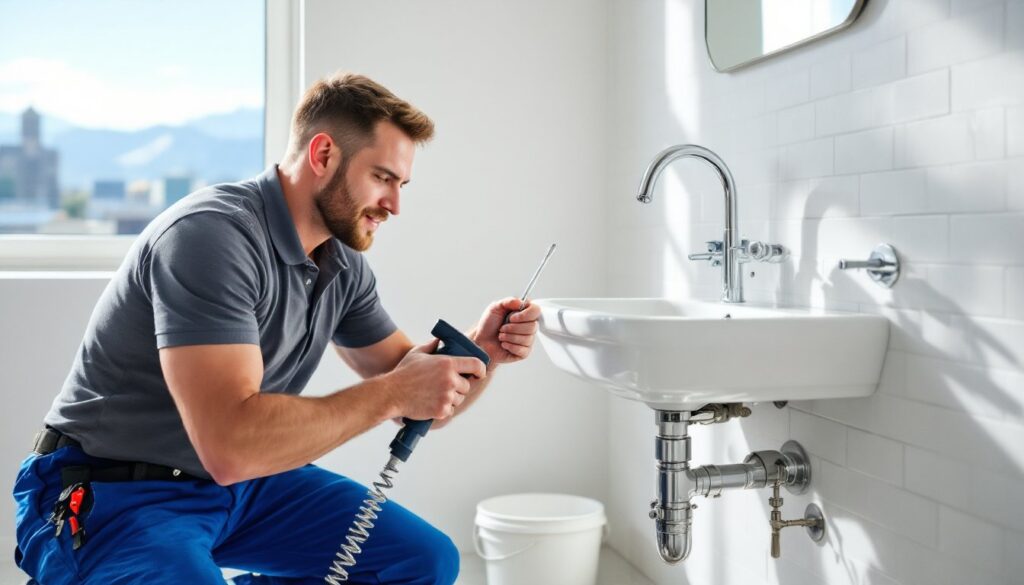
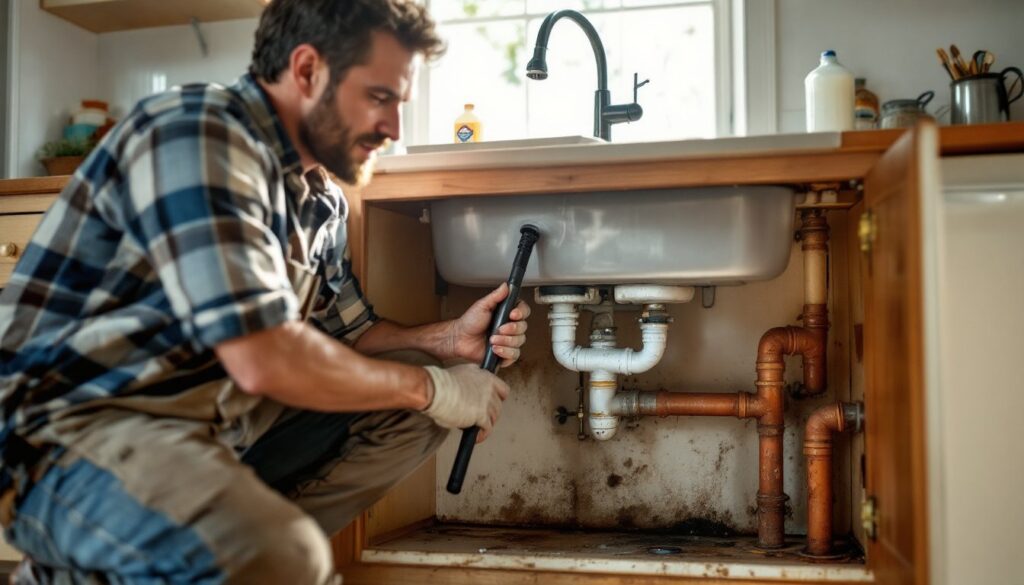
A hand auger (also called a plumbing snake) is your best DIY tool for solid clogs. For smaller drains in sinks and showers, a 25-foot manual snake with a cable diameter of ¼ inch works well. For toilet clogs, use a closet auger, which has a curved head designed to fit the bowl shape without scratching it.
- Feed the cable into the drain slowly, cranking the handle as you go.
- When you feel resistance, don’t force it, you might damage the pipe. Instead, try working the cable side-to-side or backing it out slightly and pushing forward again.
- Once you break through or dislodge the clog, retrieve the snake slowly.
- Run hot water for 1–2 minutes to flush the debris.
Rent a powered drain auger ($40–$60/day at hardware stores) if the clog is deep or in a main line. These handle tougher jobs than hand snakes, but they require more care, too much torque can damage older piping, especially if it’s brittle cast iron common in Seattle homes.
Borrow a friend’s help if the clog is in the main line or if you’re using a power auger. Clogs often surprise you with geysers of backed-up water and debris when broken through. Wear gloves and eye protection (safety goggles are essential). The water and sludge coming out is unsanitary.
When to Call a Professional in Seattle
Some situations demand professional equipment and expertise. If a clog returns within weeks, especially in a main drain, you likely have tree root intrusion or a structural issue that a snake won’t permanently fix. Professional drain cleaning uses high-pressure water jetting or camera inspection to diagnose the real problem.
Video inspection cameras let plumbers see inside the pipe without excavation. They can identify tree root blockage, cracked sections, misaligned joints, or collapsed pipes, problems no DIY method will solve. This diagnosis often saves thousands in unnecessary repairs because you’ll know exactly what you’re dealing with.
Multiple backups in different drains or sewage backing into your home indicates a serious main line clog. Water spraying from the clean-out access point means pressure is building dangerously. These warrant an immediate professional call. If your drain cleaning attempt makes the clog worse (water backing up into other fixtures or spreading backup to areas that weren’t affected), stop and call someone in.
Sea-Tac area homeowners with mature trees should be especially cautious. If a clog appears after heavy rain or you live in a house older than 50 years with clay piping, root intrusion is likely. According to resources like HomeAdvisor‘s cost guides, Seattle’s drain cleaning service costs range from $200–$400 for simple clogs to $1,500–$3,000+ if the main line needs replacement. That’s steep, but a ruptured sewer line can cost $5,000–$25,000 to fix depending on depth and whether your yard requires excavation. Catching the problem early saves money.
Preventing Future Drain Problems
Prevention is the cheapest drain maintenance strategy. Use drain screens or strainers in every sink and tub to catch hair before it enters the pipe system. These cost $1–$3 and prevent 80% of residential clogs.
Never pour grease down the drain, let it cool, solidify, and throw it in the trash. Grease accumulates inside pipes, creating a sticky surface where other debris catches. In Seattle’s old cast-iron lines, this buildup hardens and becomes nearly impossible to clear without professional jetting.
Flush kitchen drains monthly with boiling water (let it cool slightly so you don’t damage PVC joints). For bathroom drains, the baking soda and vinegar routine once a month keeps them flowing freely. These take 10 minutes and cost almost nothing.
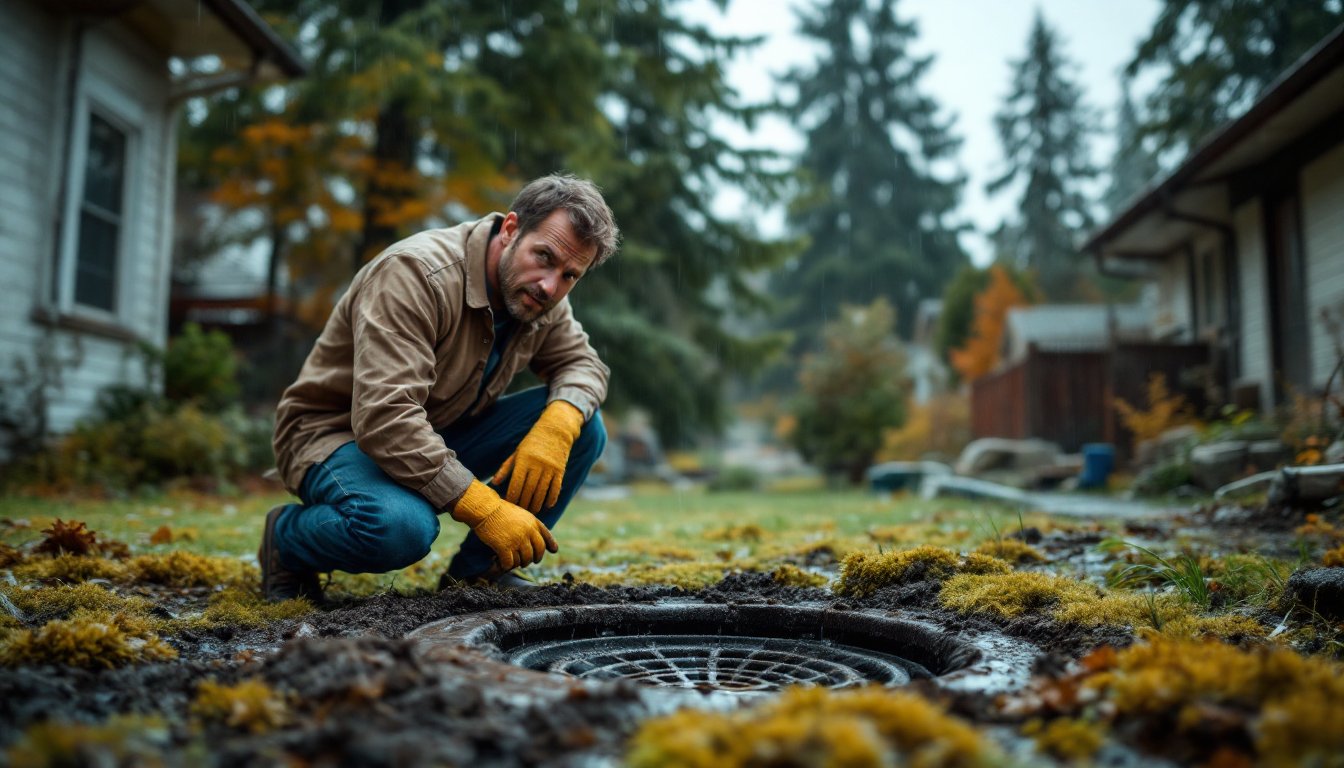
If you have mature trees near your foundation, inspect the clean-out cap (the access point for the main sewer line) twice yearly. You’ll find it in the yard, usually a 4-inch plastic or cast-iron cover near the house edge. If it’s raised, cracked, or has vegetation growing around it abnormally, roots may be interfering. This is your earliest warning sign.
Don’t flush anything except human waste and toilet paper, not “flushable” wipes, feminine products, or paper towels. They don’t break down and cause the most stubborn blockages. Consider scheduling a professional inspection every 5–7 years if you’re in an older Seattle home. It’s an investment in early problem detection. Resources like Family Handyman’s plumbing guides offer detailed maintenance schedules for homeowners who want to stay ahead of seasonal issues.